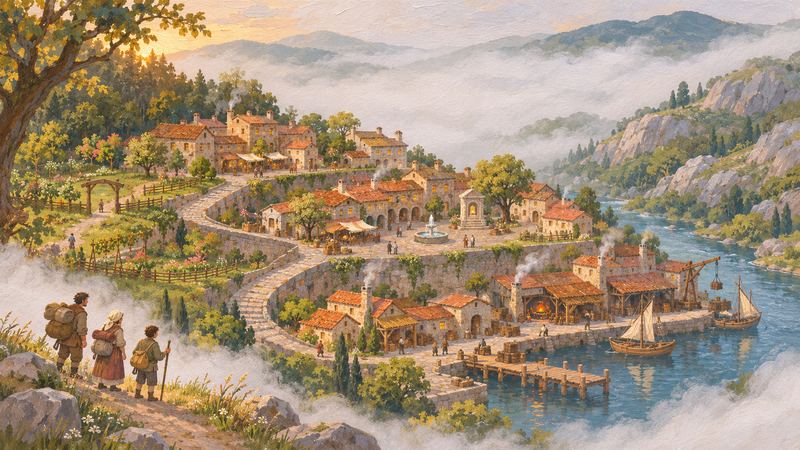
A terraced town at dawn beside a river, with low clouds over the valley.

The director's cut of the old-school MMO

Wyrdale

64 strangers. One valley with no way out. I made the first cut. You direct the rest.

Made in four days for the 2026 Epic AI MegaJam, theme Director's Cut. The public server is live. Anything that isn't in the game yet is marked in progress or planned.

Director's Cut

The genre, re-edited

You know the classics: online worlds where you could be a blacksmith, a fisherman or a thief, where the economy belonged to the players, and where leaving town meant you could lose everything you carried. Wyrdale is that genre, re-cut. Same soul, different edit. Every system that felt arbitrary, grindy or cruel went back to the editing table.

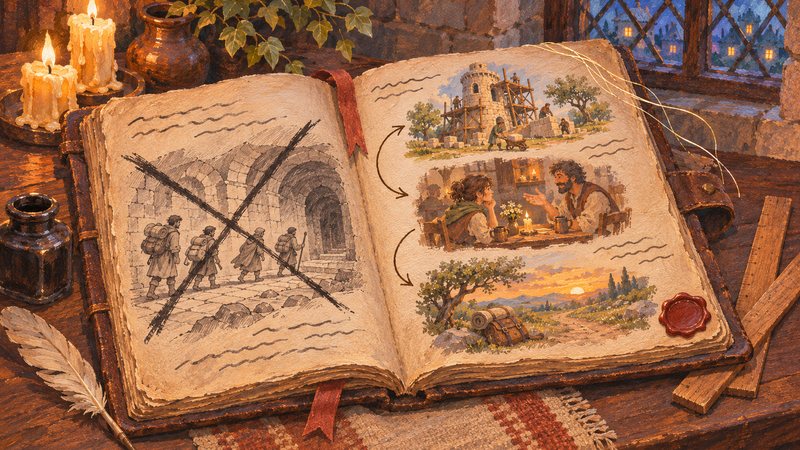
An open leather notebook: on the left page an old dungeon sketch crossed out, on the right the same ideas redrawn as a tower under construction, a tavern conversation and a pack left on a road at dusk.
The old adventure, crossed out and redrawn.

My cut

The genre, re-edited

  • The director's cut of a genre. The ideas I loved most in Ultima Online and Tibia, re-edited the way I always thought they should work.
  • Directed, not typed. One person made the game in four days by directing a crew of AI agents. Meet the crew.

Your cut

The valley, directed by its players

  • Your Journal is your own cut of the story. Locals remember things differently, and some of them lie. You pin rumors and contradictions on your board and build your own version.
  • You direct the economy, the world and even the balance. Take the director's chair.
The cuts
The classicWyrdale's cut
Full loot, and losing your gear ruins your weekFull loot stays. But a basic set costs less than half an hour of work. Losing it stings; it doesn't end your evening.
Skills rise from use, so people macro on easy targetsSkills still rise from use, only when you succeed, and a master learns nothing from easy material. To improve, you go farther from town.
Resources live in marked fields that people campEvery tree gives wood. Every rock gives stone. Ore is deeper: mines, caves and dungeons.
Magic exists from day oneThere is no magic until the town builds the Arcane Tower. Not locked, not hidden: it simply doesn't exist yet.
The story is a wall of text you skipThe story is in people. Each local holds one piece. Trust grows through conversation, trade and work.
Thousands of players, nobody knows anybody64 players per valley. Small enough that names, grudges and reputations matter.
Old gear is junkMelt it down. Today's battered armor is tomorrow's sword.
NPC shops print endless gear and goldPlayers make the economy. Village NPCs only sell a small, pricier reserve that shrinks as players take over production.
Exploits are found by players and live for monthsAn AI arena hunts them first. Bots play thousands of fights with the same inputs a player has, and the exploits they find get closed.
The world only changes when the developers patch itThe world is never finished. The town votes on what to build next, every building costs real materials, and many buildings bring a whole new system to life.

The idea

An open world built by its players

Wyrdale is a top-down online game for many players, with the spirit of the old classics: the freedom to be whoever you want, an economy run by people, and that knot in your stomach when you leave town carrying everything you own.

There is no set path and no class to pick at the start. You arrive with nothing, learn by doing, and help decide what gets built next.

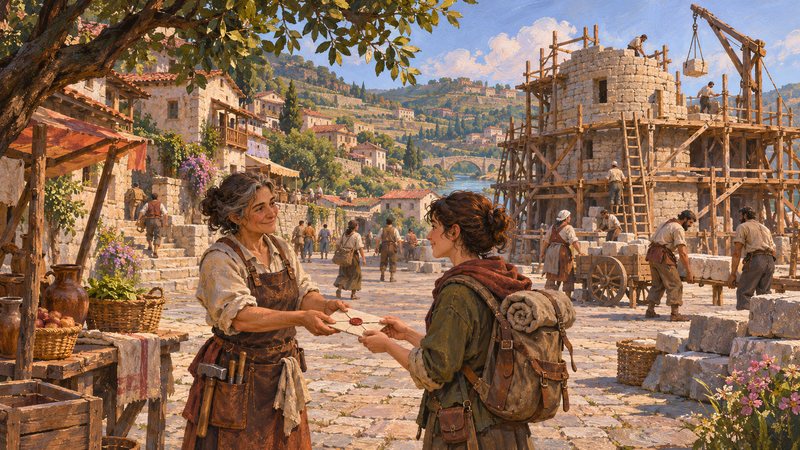
A master builder hands a sealed letter to a newcomer, with the Arcane Tower under scaffolding behind them.
Everyone arrives with nothing. The town hands you a task.
64 players

per server, in the same valley

~1 km²

small enough to cross on foot

0 classes

you become what you practice

How you play

Five ideas at the heart of the game

Each pillar below already has written rules. The images are concept art, not game screenshots.

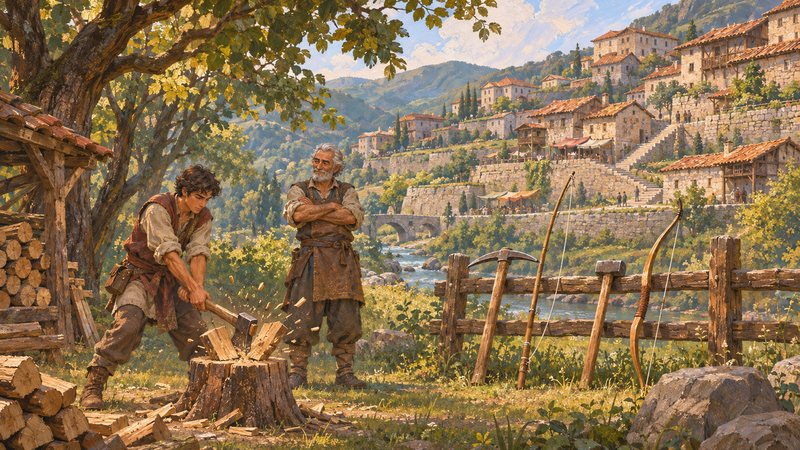
A newcomer practices with the axe while an old woodcutter watches, other trades' tools leaning on a fence.
Practice is the only class you need.

Pillar · Skills

You become what you practice

There is no class selection screen. Every action trains a skill: chopping wood builds Lumberjacking, working the anvil builds Blacksmithing, and trading blows builds combat skills. Skills rise a little at a time, only when you succeed.

And progress means something. A master learns nothing from easy materials. To improve, you have to seek out harder work, farther from town.

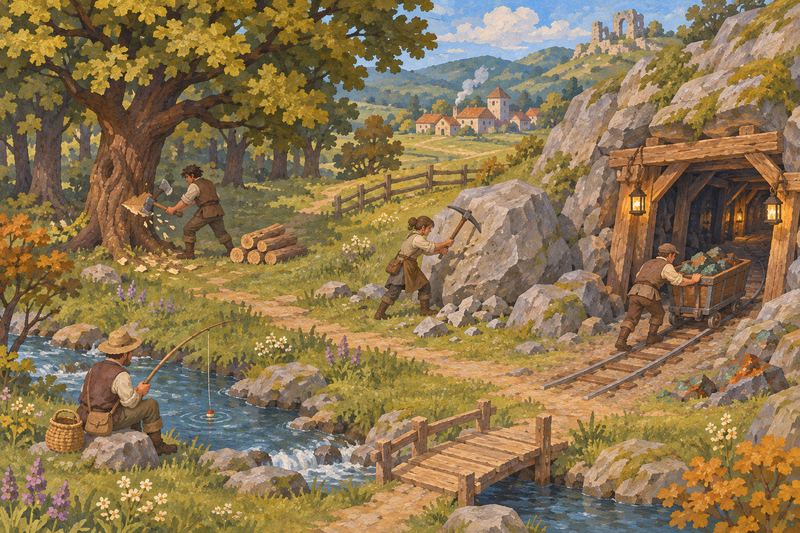
An axe in a tree, a pickaxe in a rock, and a mine entrance.
A day of gathering: axe, pickaxe and mine entrance.

Pillar · Gathering

Every tree gives wood. Every rock gives stone.

There are no marked resource fields. Outside town, any tree gives wood and any rock gives stone. Ore lies deeper, in mines, caves and dungeons. The best deposits are to the east and in the depths.

  • Your chance of success rises with your skill and falls with the difficulty of the material.
  • If a rare ore is beyond your skill, you get common ore instead.
  • Wood and stone keep town projects going. While a project is open, gathering them yields more.
  • Fish in the rivers and the lake.
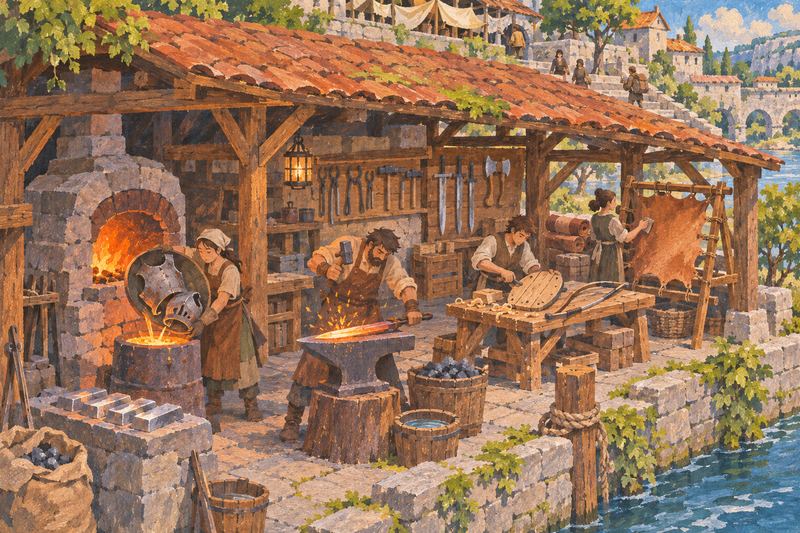
A smith at an anvil, ingots, and old armor melting in a furnace.
Old armor becomes metal again in the furnace.

Pillar · Crafting

Forge, repair, melt down, and forge again

Forges, anvils, workbenches and campfires are found in the harbor workshops, in villages and, later, in homes. Pick a recipe and a quantity, then make each piece one at a time.

  • Three qualities: crude, normal and exceptional. An exceptional piece can carry your maker's mark.
  • Repairs restore durability, but each repair lowers the maximum a little.
  • Worn-out gear still has a use. Melt it down or take it apart to recover some materials. Today's battered armor is tomorrow's sword.
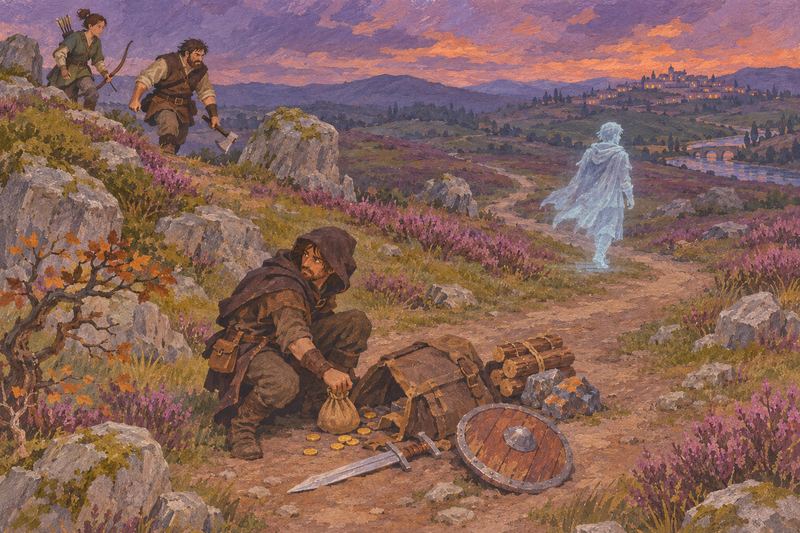
A road at dusk, a dropped pack, a looter, and a ghost returning to town.
On the road at dusk, whatever falls belongs to whoever gets there first.

Pillar · Full loot

You are safe in town. Outside, you could lose everything you carry.

The Steps are a protected area. Beyond the last fence, death leaves your body behind with everything you were carrying. Anyone can take it.

If you fall, you become a ghost and return to the Gentle Stone, the stone in the square that gives life back, to begin again. Keep what you don't want to risk in the bank.

That is why gear is cheap: a basic set costs less than half an hour of work. Losing it hurts, but it won't ruin your week.

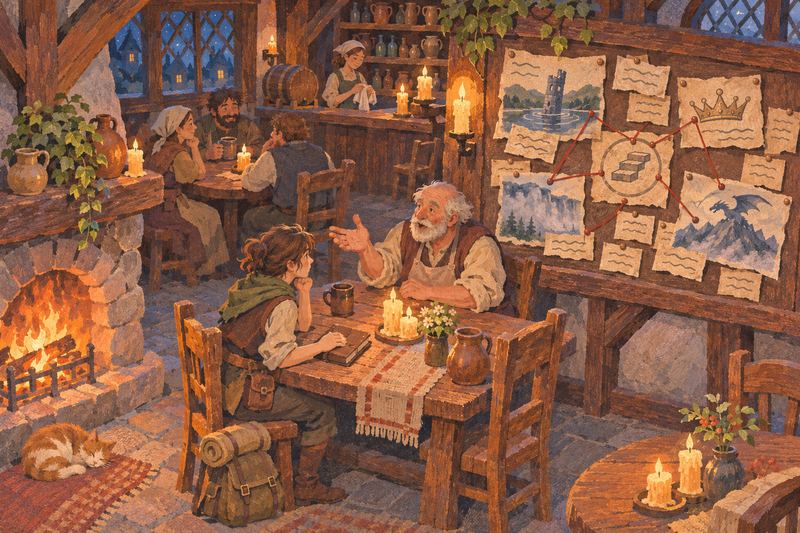
A conversation with the innkeeper beside a board of clues linked by red thread.
One conversation, one new clue.

Pillar · Discovery

Every local holds a piece of the story

There is no opening wall of text. The valley's story is scattered among the people who live in it: the merchant who counts everything in coins, the gravedigger who checked every grave, the knight who swore to wait for his king.

Talk to them, earn their trust, and what they tell you becomes a page in your Journal.

  • Nobody knows everything. Each local knows only their own piece.
  • Some of them lie. When you find the truth, the contradiction shows up in your Journal.
  • The Journal arranges what you learn in chapters, with gaps that point to who to ask next.
Read the story

Your cut

Take the director's chair

The valley ships unfinished on purpose. Three systems hand the edit over to the players.

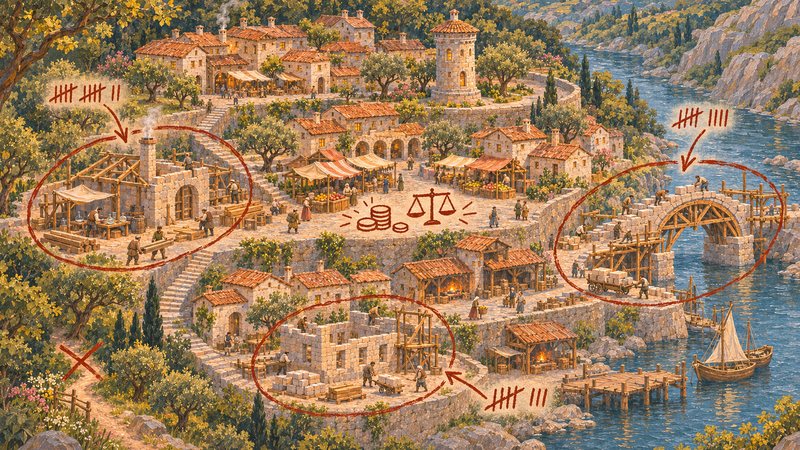
The town seen from above with ink notes drawn over it: circles around three building sites with tally marks, coins and scales over the market, and a crossed-out forest path.
The players decide what the town becomes.
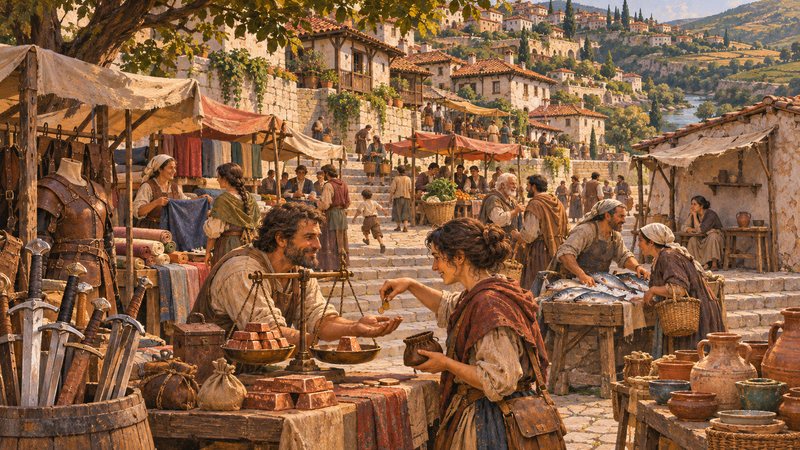
A busy market where players haggle and weigh copper on a scale.

A player-driven economy

You set the prices

Almost everything in the valley is gathered and made by players. The villages keep a small reserve for when nobody is producing, sold above player prices and shrinking as players supply the market. Gold leaves the world through NPC purchases, repairs and full loot. Every price and recipe ran through an economy simulator first.

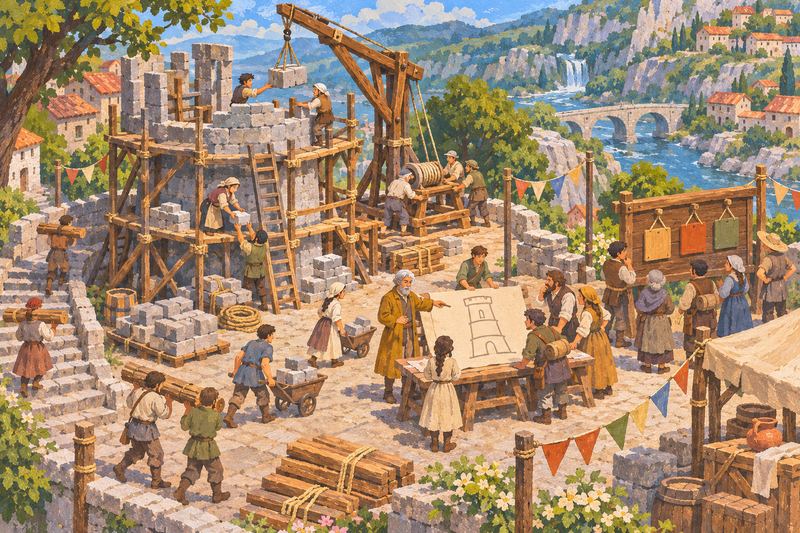
Players carrying stone and timber to the Arcane Tower's building site.

A world that is never finished

You choose the next scene

Nothing is built for free: every project, from a bridge to the Arcane Tower, needs wood, stone and the work of many players. Bringing materials to a building site is your vote for what comes next. No tower, no magic. No lab, no alchemy.

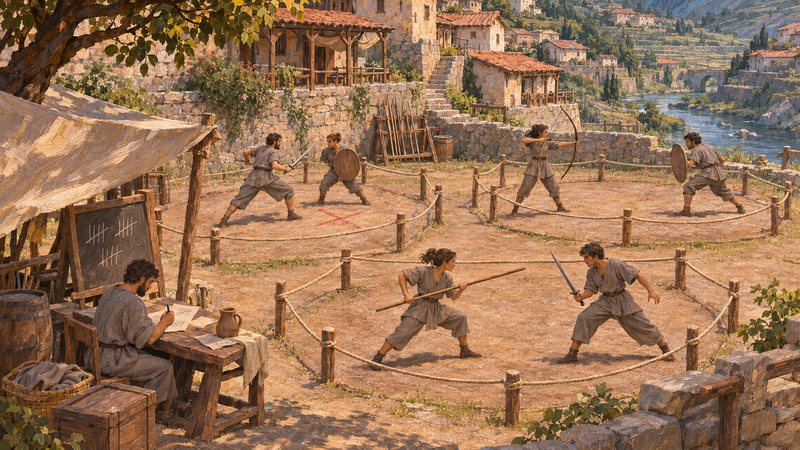
Bots in identical grey tunics sparring in roped rings while a scribe keeps tally.

An AI arena that learns how players break things

Your exploits hit the cutting-room floor

Combat is tested by bots that play with exactly the inputs a player has, reaction delays included, thousands of fights faster than real time. The arena measures win rates and Elo and flags exploits. It already caught one: killing NPCs for free by walking backwards. Closed. Next, it learns from real player fights.

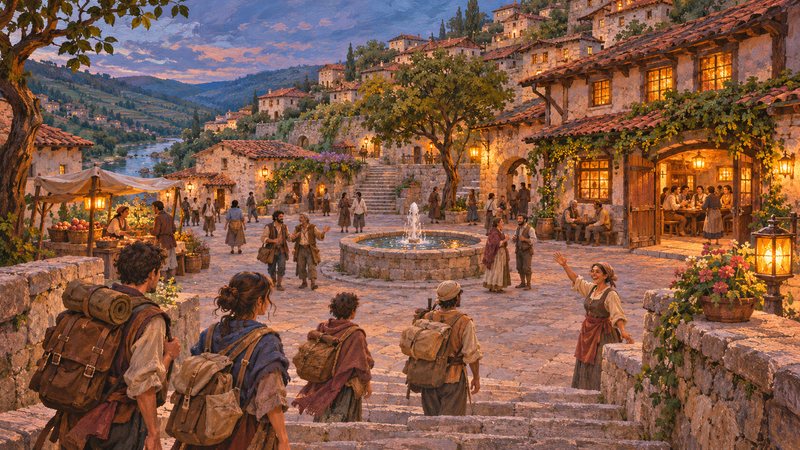
The town square at dusk, lanterns lit, newcomers arriving with packs.
Lanterns are lit. The valley is waiting.

Play

The valley is live

The public server runs in São Paulo, Brazil. Players in other regions will have a higher ping.

  1. Download the Windows client and extract the zip. Don't run it from inside the zip.
  2. Open Wyrdale.exe. It already points to the public server.
  3. Create an account, create a character and press Play.
Download on itch.io
Controls
Left clickWalk; click a highlighted item to pick it up. Shift walks, S stops.
Alt (hold)Names and health bars
I · CBackpack · Character
1–0 · F1–F6Spell bar · Quick-use bar
J · HQuest book · World Journal
MWorld map
EnterChat
Right click on an itemUse, equip, split, drop
EscClose · Options